
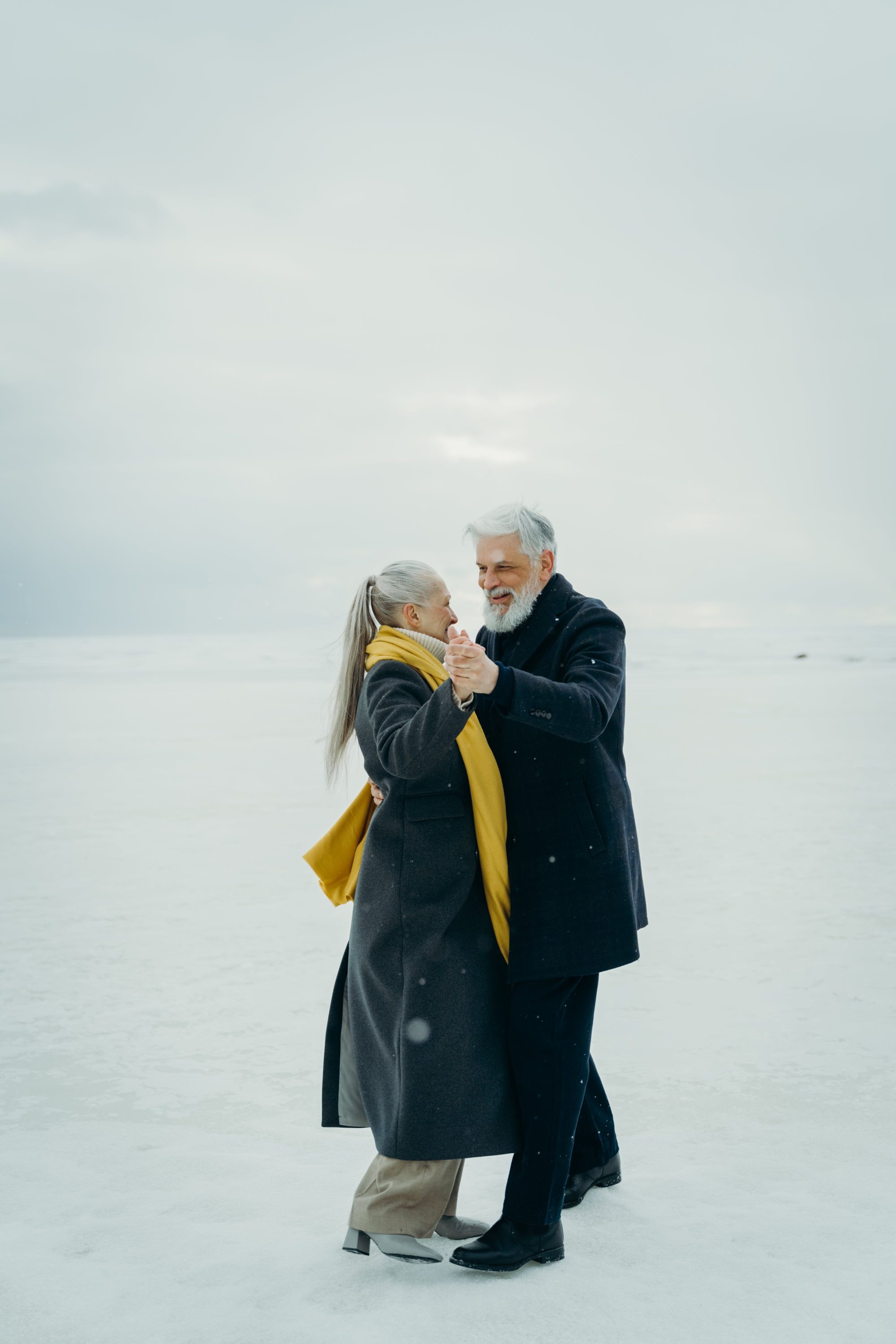
The climate may be getting warmer but freezing temperatures can trigger a host of health problems.
In a cold environment, our body tries to conserve heat, and it does this by narrowing the blood vessels near the skin. Vasoconstricting reduces the amount of heat we lose which is good because it maintains our core temperature. Shivering is our bodies way of trying to produce heat as our core temperature drops. Older people are at risk as their bodies don’t respond as well in defending body temperature caused by their blood vessels nor being able to constrict as well and also have a loss of muscle mass.
The main risk posed by the cold is that as the coronary arteries narrow there is a heightened risk of heart attack and blood clots. Freezing cold can also increase the chance of asthma and respiratory diseases. As muscles cool, they lose their function so there is a decrease in force and dexterity as the fluids in the joints become more viscous.
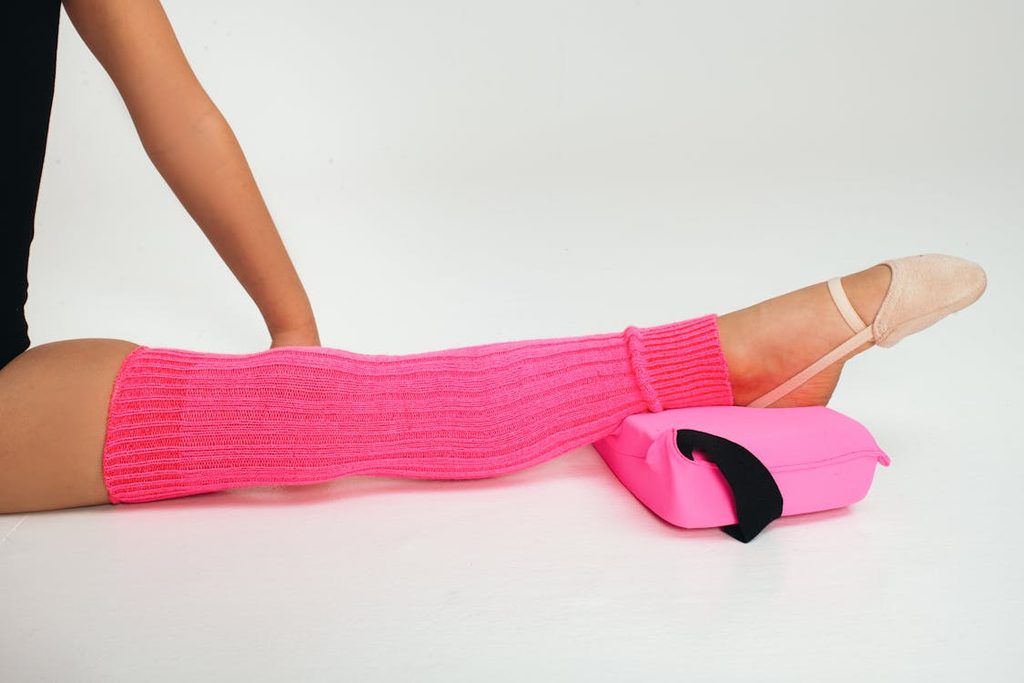
While wool leg warmers, fashionable some decades ago, seem to be returning to favour, many rehearsal rooms and studios now have good heating systems. This means that risks are reduced but warming up exercises to get the blood flowing to the muscles is an important preparation for dancers in cold climates.
Celebrating
Are you a drinker? Of course you are. We all need to take in liquid after all the body is about 45-70 per cent water and anyone dancing is bound to lose water through sweat (see Healthy Dancer June 2024). The question is not about water or caffeine stimulants like a cuppa or sugar filled cold drinks but alcohol. Christmas and New Year events are celebrations where alcohol usually features.

Wine glasses seem bigger than ever accommodating about third of a bottle. Do you get back home after teaching and swig a beer or open a nicely chilled bottle of white wine? Do you make merry at many after show drinks parties? Someone once bought me a sparkling wine bottle stopper, perhaps they believed me when I stated I start the day with a chilled glass of cool champagne.
We may be mindful of our weight and calories eaten or drunk during the feasting period of Christmas and New Year. Fitness and intense dancing can in part offset your alcohol intake. Sweating out a hangover is really a myth though as
sweating during exercise just dehydrates you. Alcohol raises the resting heart rate, impairs sleep, and can reduce the ability for muscle repair essential for dancers. It is however more quickly absorbed by muscle tissue than fat so perhaps being strong makes you able to tolerate more. A study by Pennsylvania State University found that on the days adults exercised the most they also drank the most. The British Journal of Sports Medicine has reported that moderate drinkers who do two and a half hours exercise a week can reduce the risk of dying from alcohol related cancer. Alcohol has been shown to cause cancer by raising inflammation in the body while exercise is known to reduce it.
Perhaps Socrates had it right: ‘The secret of happiness, you see, is not found in seeking more, but in developing the capacity to enjoy less.’ Moderation is the message and here is my message to hope you get many new students in January who will fill your classes full of positive resolutions for 2025 – Cheers!
Gavin Roebuck